Discover Orthodox Christianity
Beliefs, Worship, and Resources for inquirers - begin your journey here.
WHAT WE BELIEVE
The Fullness of the Christian Faith
Orthodox Christianity is the original Christian Church, tracing an unbroken line to Christ and His Apostles. We confess the Nicene Creed, honor Scripture and Sacred Tradition, and worship the Holy Trinity.
The Nicene Creed as our confession of faith
Seven Ecumenical Councils
Scripture and Tradition together as the deposit of faith
The Real Presence of Christ in the Eucharist
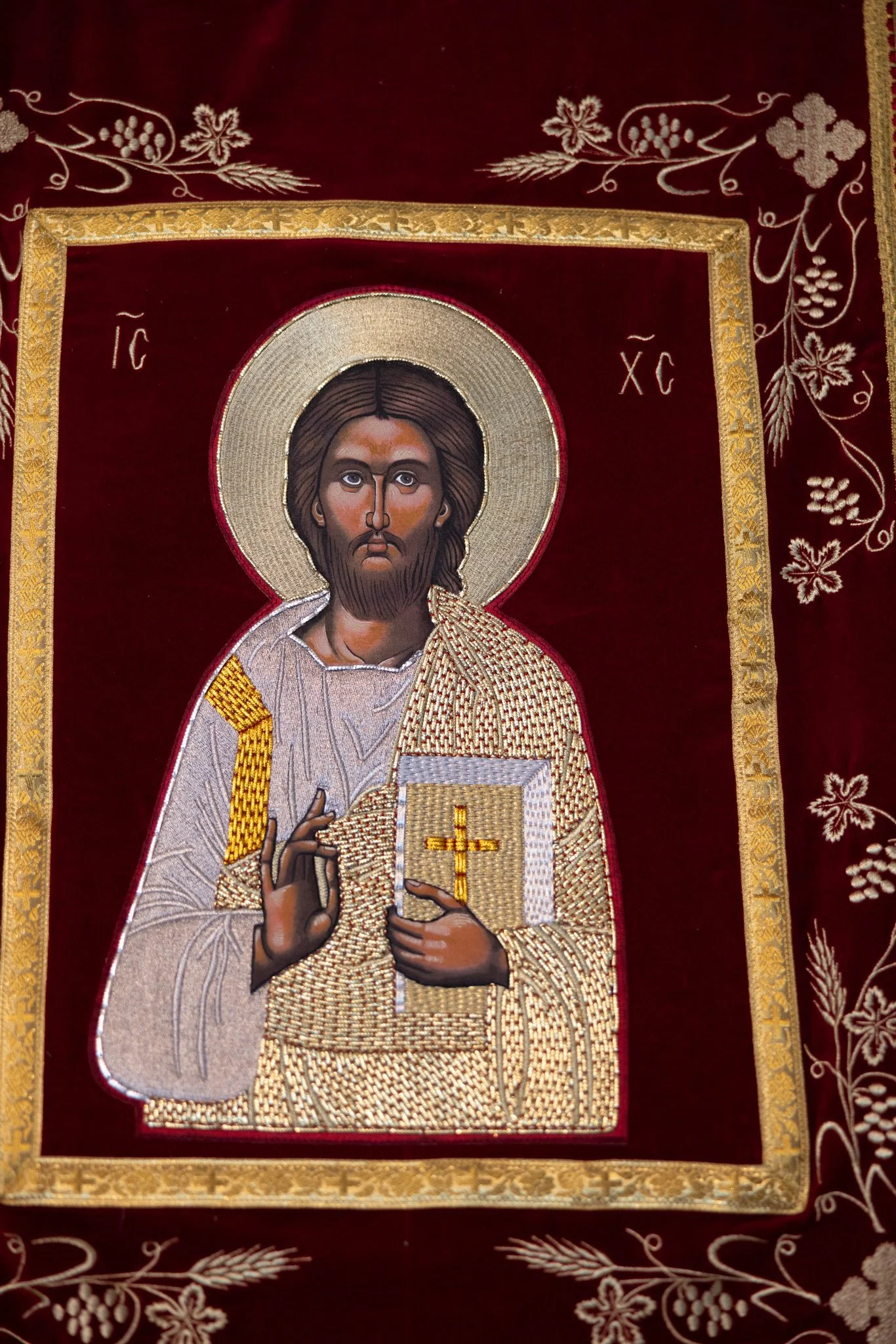
The Nicene Creed
Did you know that what originally helped bond the Church together was a creed?
The Nicene Creed originated at the First Council of Nicaea in 325 AD, convened by Emperor Constantine to address the Arian controversy over Christ’s divinity; it was expanded at the First Council of Constantinople in 381 AD to clarify the Holy Spirit’s place in the Trinity and to affirm orthodox Trinitarian theology against various heresies, becoming a unifying statement of faith for the early Church
The Nicene Creed anchors Orthodox Christians in a clear sense of purpose, shaping every decision by articulating who God is and who we are in relation to Him. Recited at every Divine Liturgy, it gathers the Church around the foundational truths of the Father, the Son, and the Holy Spirit, affirming the incarnation, crucifixion, resurrection, and future coming of Christ. This concise yet profound statement of faith guides communal and personal choices, reminding believers that their actions flow from participation in the life of the Trinity and a commitment to the Gospel’s call to love, repentance, and holiness.
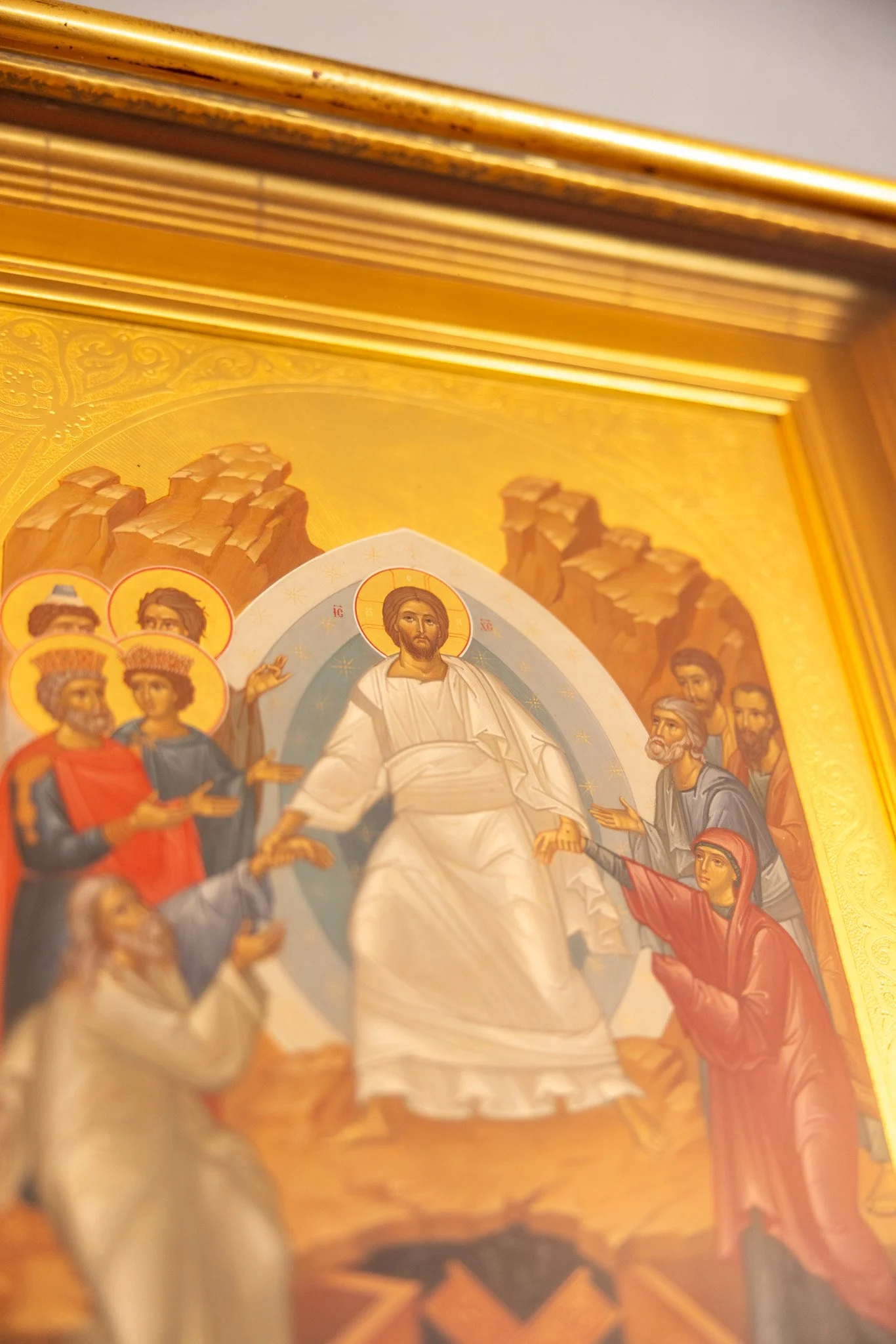
The Seven Ecumenical Councils are foundational to Christian theology because they systematically defined the Church’s understanding of God, Christ, and salvation in response to doctrinal confusion and heresy. Through careful deliberation on Scripture, apostolic tradition, and liturgical life, the councils established essential dogmas—most notably the full divinity and full humanity of Christ (Chalcedon, 451), the Trinitarian formulation solidified at Nicaea (325) and Constantinople (381), and the proper articulation of Christ’s two natures without confusion or separation. These doctrinal decisions did not arise as abstract scholastic exercises but as necessary clarifications safeguarding the meaning of the Gospel: if Christ is not truly God, there is no salvation; if he is not truly human, his suffering and resurrection cannot redeem humanity. By defining terms and boundaries for orthodoxy, the councils preserved the Church’s faithful witness to who God is and how salvation is accomplished in Christ.
The Orthodox Church continues to hold to these councils because they are seen as the authentic, conciliar voice of the united, apostolic Church guided by the Holy Spirit. The councils provide a living framework for worship, sacramental life, and moral teaching—linking present-day believers to the faith confessed by the early Church and expressed in the liturgy, creeds, and patristic writings. Accepting the seven councils sustains doctrinal unity across time and place, protects the integrity of the sacraments (especially the Eucharist and Baptism), and orients the faithful toward theosis—the transformational communion with God. Far from being mere historical artifacts, the councils remain normative for theology, pastoral practice, and spiritual formation in Orthodoxy because they embody the Church’s consensus about the truth revealed in Christ and preserved in the life of the Spirit.
Seven Ecumenical Councils
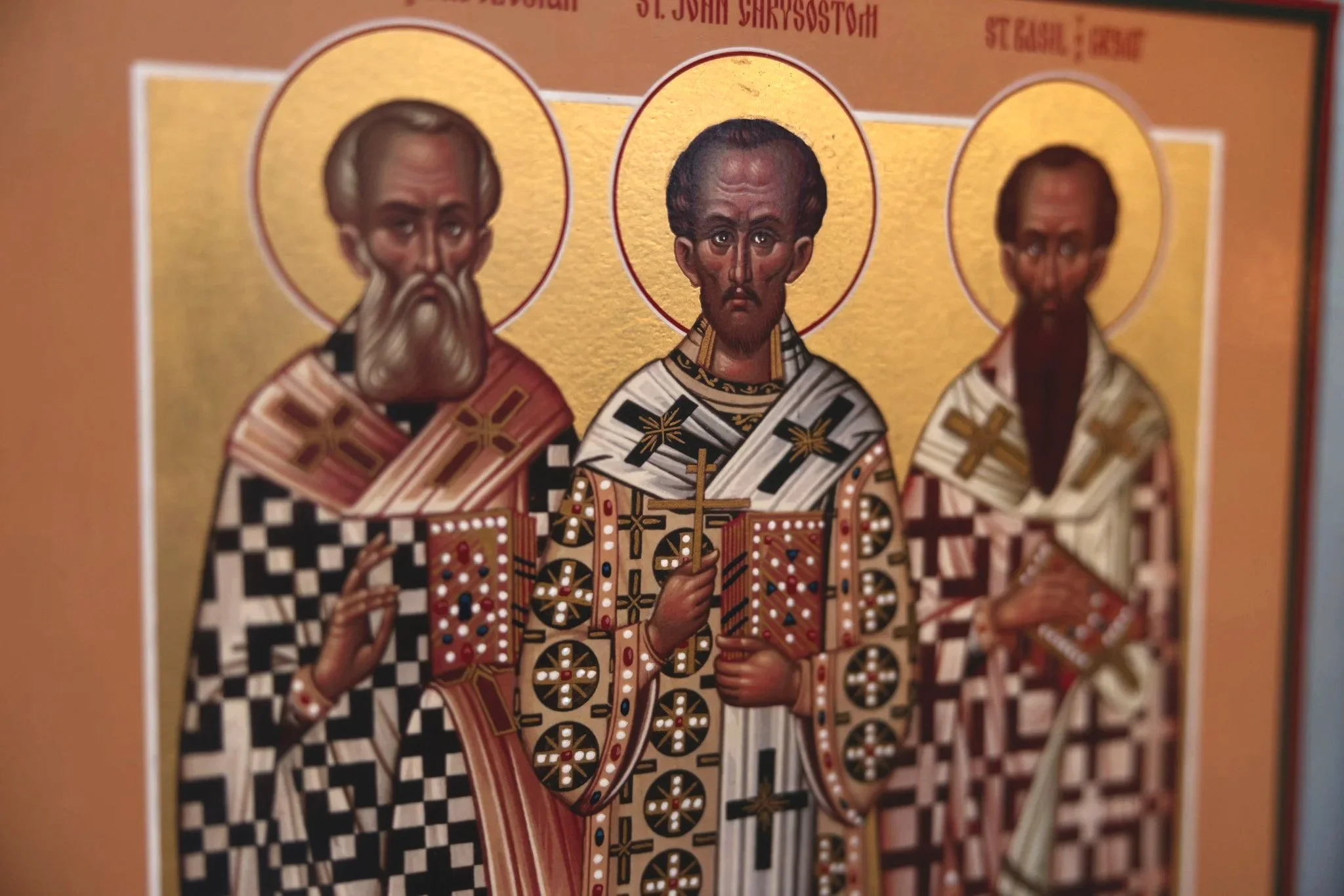
Scripture and Holy Tradition together form the living heart of Orthodox faith because they are two inseparable modes by which the one Revelation of God is received and lived in the Church. Scripture is the normative written witness to Christ and the apostles; it carries the authoritative words and events through which God revealed himself. Tradition is the broader, living context in which that written word has been interpreted, celebrated, and embodied: the liturgy, the creeds, the writings of the Fathers, the canonical practice of the Church, and the spiritual memory preserved by bishops and councils. For Orthodox Christians, Scripture without the interpretive and liturgical grounding of Tradition risks private or novel readings that fracture communal faith, while Tradition without Scripture would lose its objective anchor in God’s revealed word. Together they safeguard the unity of belief and practice, enabling the faithful to discern and receive the Gospel as the Church has always received it.
The Seven Ecumenical Councils exemplify how Scripture and Tradition operate together to define and protect the truth of the Gospel. In responding to doctrinal confusion and heresy, the councils drew on Scripture, apostolic teaching, and liturgical life to articulate the Church’s understanding of God, Christ, and salvation—most notably the full divinity and full humanity of Christ and the Trinitarian faith confessed at Nicaea and Constantinople. These decisions were not abstract theology but pastoral and sacramental necessities: if Christ’s person or work is misunderstood, the meaning of the Eucharist, Baptism, and theosis are undermined. By preserving the apostolic consensus, the councils continue to function as the Church’s living guideline, ensuring doctrinal continuity, protecting sacramental integrity, and orienting believers toward communion with God in the life of the Spirit.
Scripture & Tradition
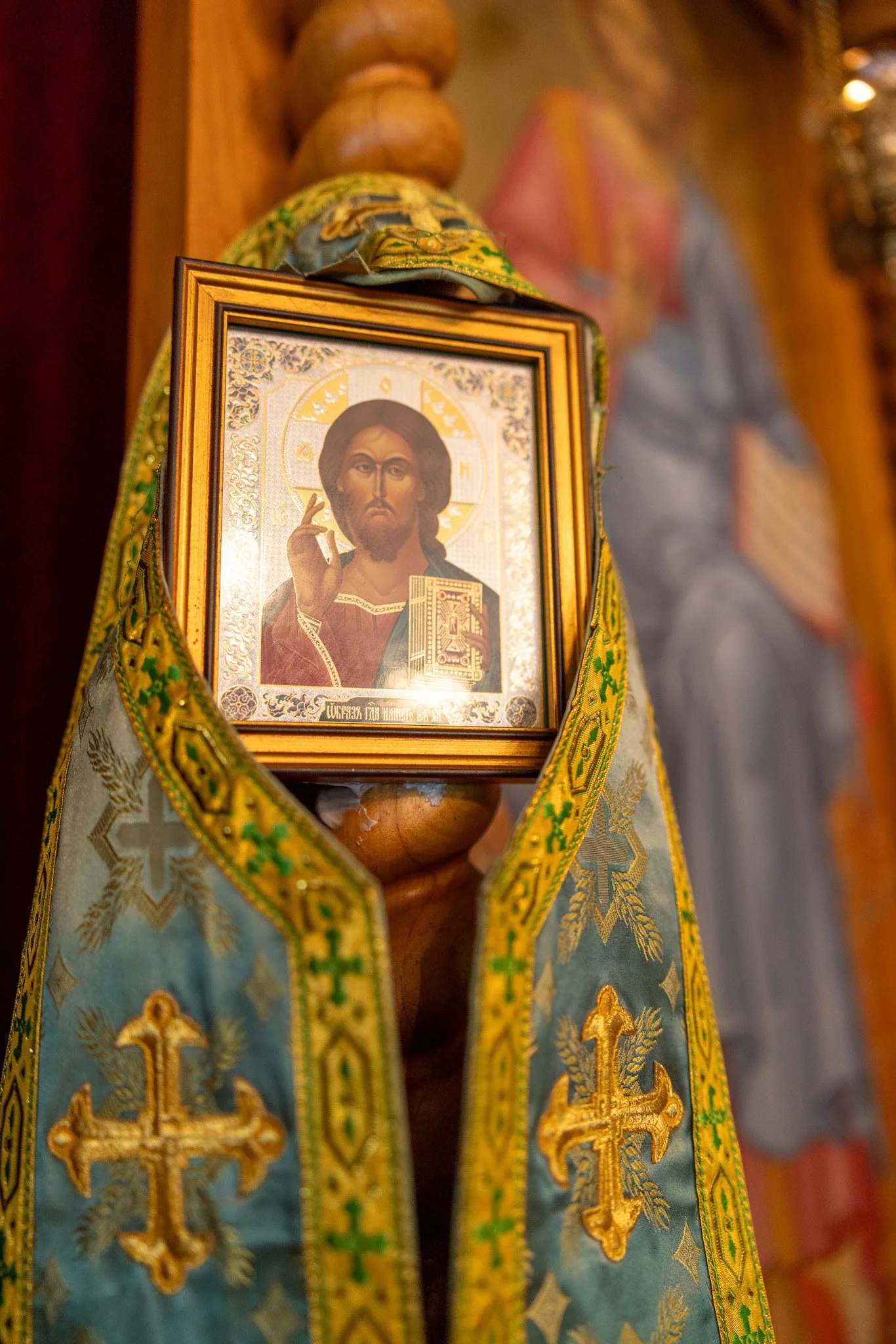
The Eucharist is the living center of Orthodox life because it is where Scripture and Holy Tradition meet as one salvific encounter. In the Divine Liturgy the Church proclaims the Gospel, reads the Scriptures, and hands on the apostolic faith through the prayers, hymns, and actions that have been preserved and shaped by the Fathers and the councils. The bread and wine, through the epiclesis and the Church’s prayer, become the Body and Blood of Christ not merely as a doctrinal formula but as the continuation of Christ’s presence and work among his people. Thus the Eucharist embodies the Church’s conviction that Christ’s saving words and deeds recorded in Scripture are not a private memory but are made present and effective in the communal, sacramental life of the Church according to the rhythm and forms of Tradition.
Because Scripture and Tradition are inseparable in Orthodox theology, the councils’ defense of the apostolic faith safeguards the Eucharist’s meaning and efficacy. The Christological and Trinitarian definitions forged at the Seven Ecumenical Councils protect what is celebrated at the altar: who Christ is, how he saves, and how the Spirit makes him present to the faithful. If the person and work of Christ are misread, the sacraments lose their orienting truth; conversely, the liturgical and patristic context without fidelity to Scripture would lack the objective anchor of God’s revealed word. Together, Scripture and Tradition preserve the Eucharist as the communal sacrament of deification (theosis), communion with God and one another, and the authoritative transmission of the Gospel from generation to generation.
The Eucharist
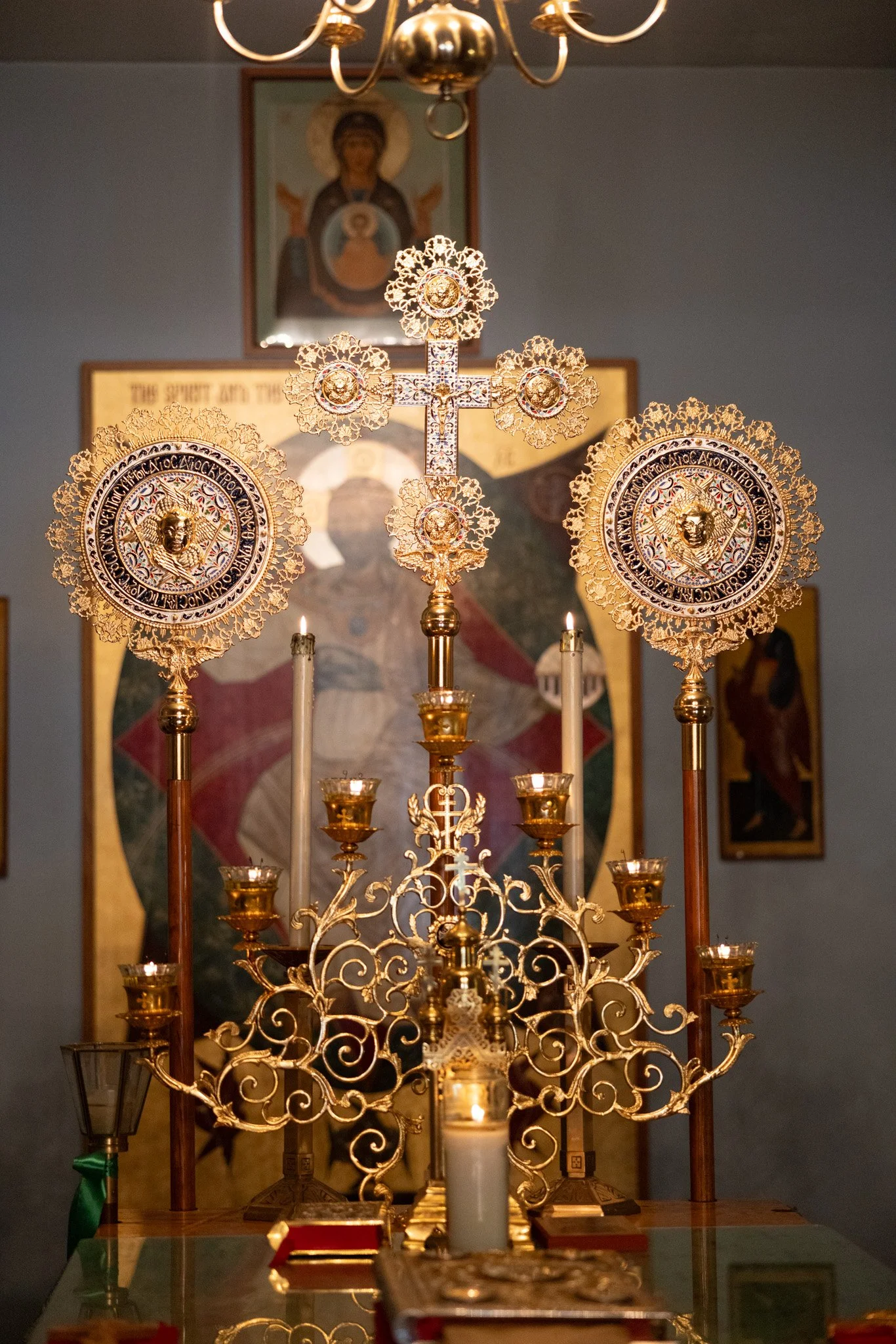
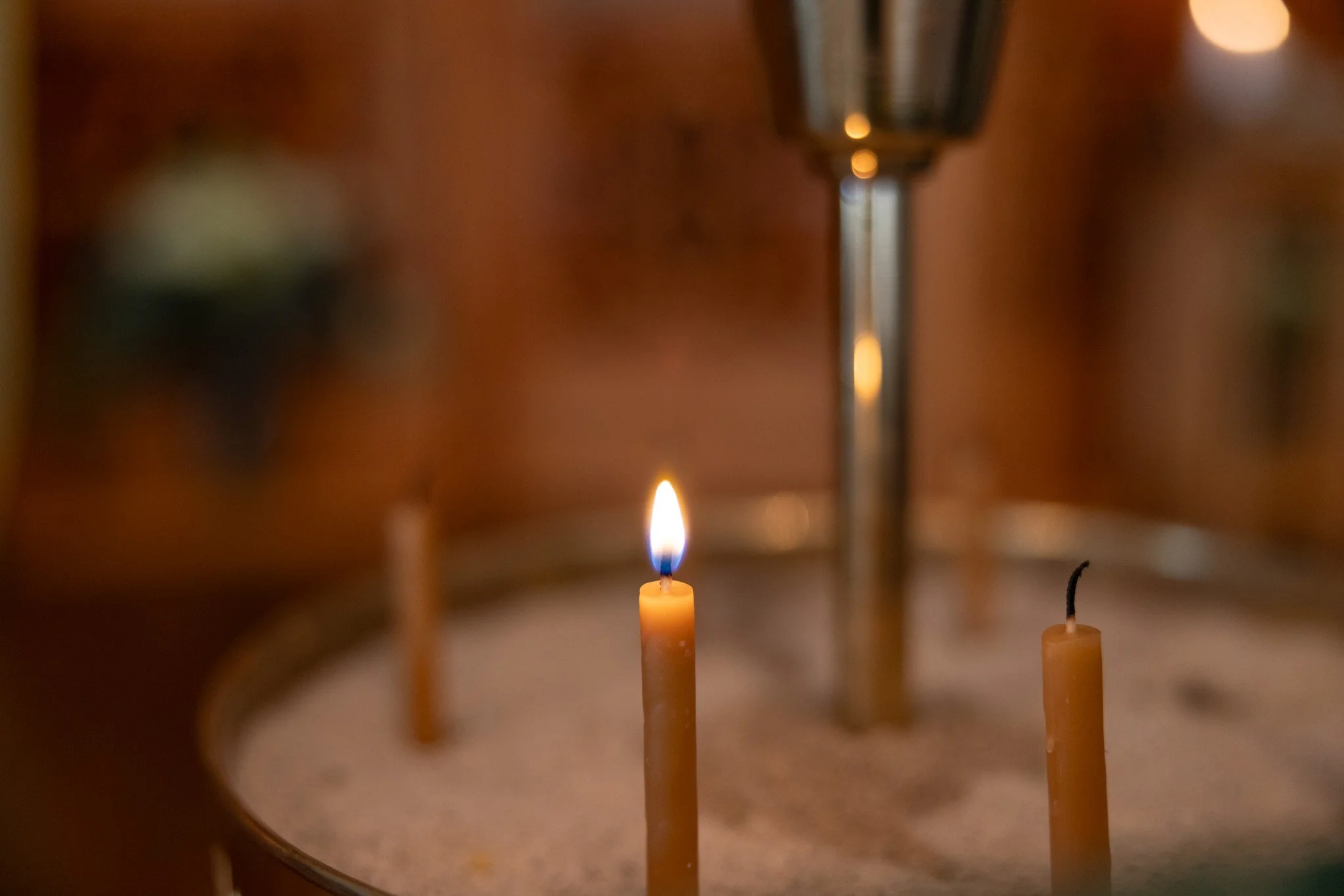
Read more about Orthodoxy at our resources page! We have compiled helpful and trustworthy resources on the Orthodox Christian faith and life.
Want More Resources?
Ready to Take the Next Step?
Come to a service, ask questions, or join our Inquirers' Class called ‘Orthodoxy 101’.